
The Ultimate Guide to Communication Surrounding Grief: How to Say the Right Thing
Lessons in Loss, Love and Resilience

We’ve all been there. You find out a friend, a neighbor, or a coworker is going through the unthinkable. Your heart sinks for them, yet your brain immediately goes into a panic-induced lockdown.
“What do I say?” “Should I call?” “Is it better to leave them alone?”
The fear of saying the “wrong thing” is real. We worry that a clumsy sentence might break something that is already shattered. Here is the secret: there is no perfect script. There is no magical combination of words that can fix grief.
In fact, trying to fix it is usually where we go wrong.
Presence Over Perfection
Most people think they need to be a philosopher or a poet when a tragedy occurs. You don’t. What a grieving person needs most is your presence, not your performance.
Showing up is the heaviest lift you can do. It’s sitting in the awkward silence. It’s being the person who stays when the initial shock has worn off and everyone else has gone back to their “normal” lives. Grief is lonely, yet having someone simply sit in the quiet with you makes the weight a little more bearable.
If you don’t know what to say, say exactly that: “I don’t know what to say, yet I am here with you.” That is infinitely more powerful than what your brain tells you they will want to hear. Usually that is what you would think you would want to hear.
The Phrases That Actually Work
We often reach for platitudes like “everything happens for a reason” or “at least they aren’t suffering anymore.” While these come from a good place, they often feel like an exit strategy for the conversation. They try to “wrap up” the pain.
Instead, try these minimalist approaches:
“I am so sorry for your loss.” Simple. Honest.
“I’m thinking of you and I’m here.” No pressure, just support.
“If at somepoint you’d like to tell me a story about them, I would love to hear it, yet only if you’re comfortable?” This opens a door if they want to share, yet gives them the space to say no.
“I’m bringing dinner on Thursday. Does 6:00 PM work?” Concrete help is always better than the vague “let me know if you need anything.”
Choosing to Live With Tragedy
After losing my daughter, Alaina, I realized that the world wants you to “get over it.” But you don’t get over it. You don’t move past it.
The philosophy I share in my speaking is about choosing to live with tragedy rather than in it. When you communicate with someone who is grieving, you are helping them build that bridge. You aren’t asking them to leave their grief behind, yet you are helping them carry it into a future where joy and pain can coexist.
It’s about finding resilience in the darkest moments. It’s about recognizing that the tragedy is a part of the story, yet it isn’t the final chapter.
Support in the Workplace
Grief doesn’t stay at home. It follows people into the office, the boardroom, and the breakroom. Being “emotionally aware” in the workplace isn’t about being a therapist; it’s about being a human.
Whether you are the one grieving or the one supporting a colleague, the rule of thumb is the same: lead with empathy. Acknowledge the loss, offer grace with deadlines, and don’t be afraid to mention the person who was lost. Hearing their name is often a gift, not a trigger.
Let’s Talk About It
Navigating these conversations is hard, yet it is one of the most important skills we can develop as leaders, friends, and community members.
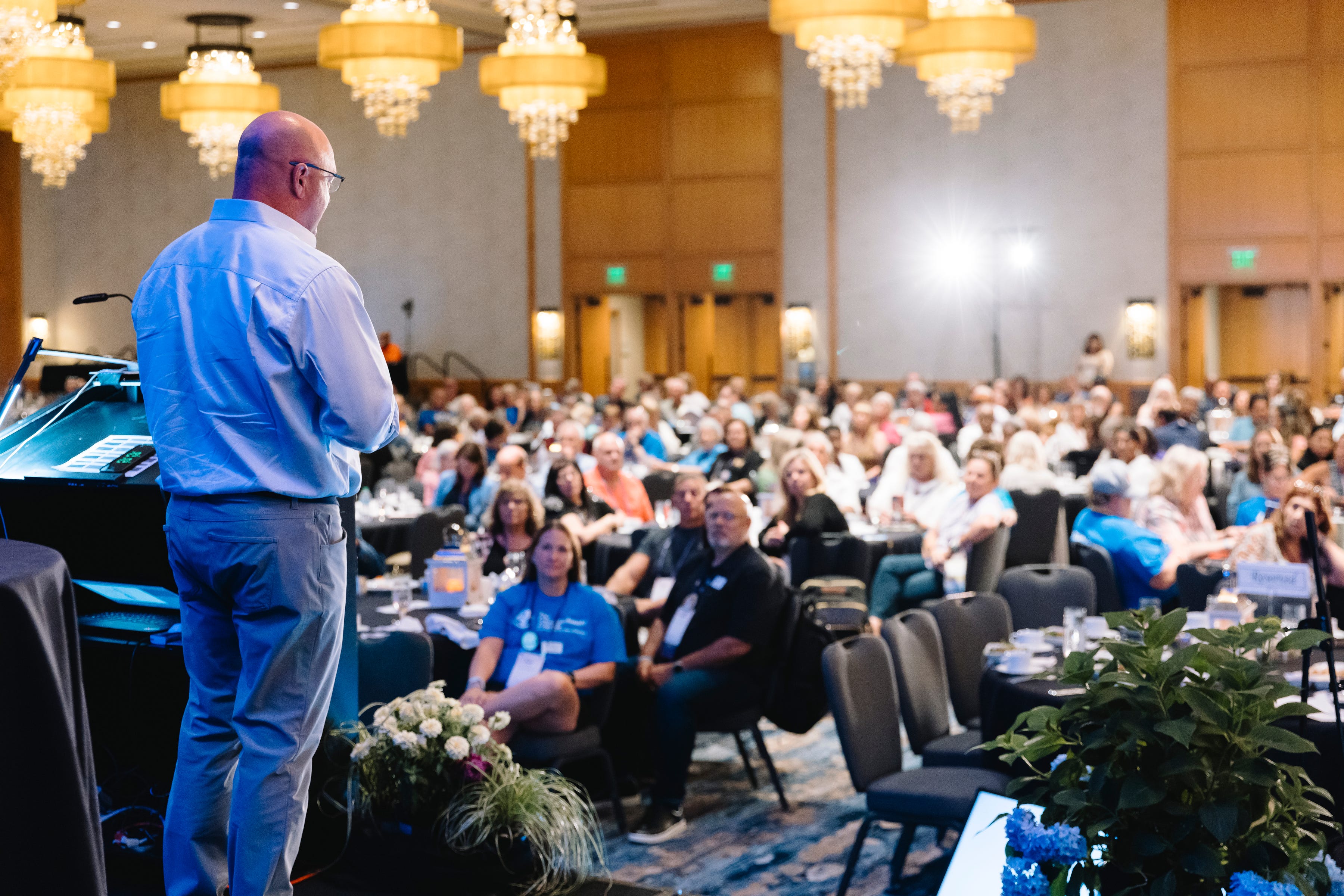
If your organization, school, or community group is looking to bridge the gap in grief communication, I would love to help. Through my keynote service, “What to Say, When You Don’t Know What to Say,” we dive deep into how to transform unimaginable pain into a shared purpose of resilience and hope.

Check out my podcasts, contact information and other blogs at arikhousley.com. Or you can get a copy of my bestselling book Always November: Lessons in Loss, Love and Resilience.
Your stories always make me feel "not alone". Thank you for sharing and being real.